- Top of the Funnel
- Posts
- The 7 rules of killer content
The 7 rules of killer content
Stick to these like glue to create content that drives results 🚀

David Broderick
March 12, 2026
RIP doing homework for a living 🪦
Cause book reports on the top three articles on the SERP ain’t gonna pay the bills anymore 🤷
Which means us content folks are gonna need to say “see ya later, alligator” to copycat SEO content if we still want to earn a living writing online.
Luckily, there’s a better way…
And Andy Crestodina has shown us the light 🙏
He casually slipped his Seven Steps To Creating Seriously Good Content into this article for the Orbit blog.
Stick to them like glue to make sure you're creating content that drives results, not SEO slop an LLM could've just as easily spat out.
Here's each of Andy’s steps – illustrated with some examples of the Orbit team practicing what they preach 👀
Let's go...
1️⃣ Make the header and title a bit provocative and include the keyphrase
The titles of most SEO articles make Dwight Shrute’s “It is your birthday.” banner look poetic.
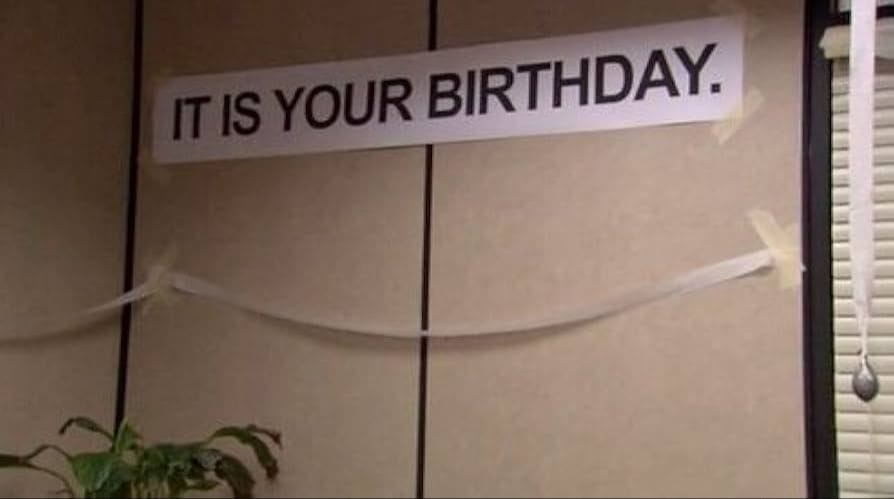
Yes, you have to fit the keyword in there.
But please, we’re begging you: give us some drama 🍿
Make us want to click, not fall asleep.
Three titles from Orbit that earned my click:
How to Write AI Prompts That Improve Everything in Your Marketing
These 14 Types of Evidence Instantly Build Trust… and Convert Visitors into Leads
AI for Thought Leadership: 5 Prompts That Get You Halfway There
2️⃣ Hit a key point in the opening with an interesting point of view
How Andy could’ve opened his article about semantic SEO:
"Semantic SEO is a method used to optimize web pages for search engines by targeting a topic rather than just a single keyword."
How Andy actually opened his article about semantic SEO:
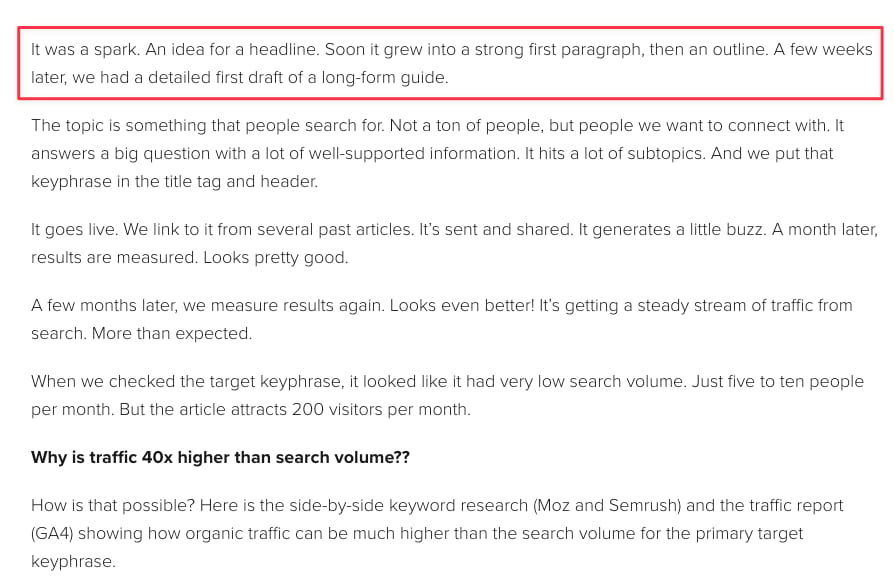
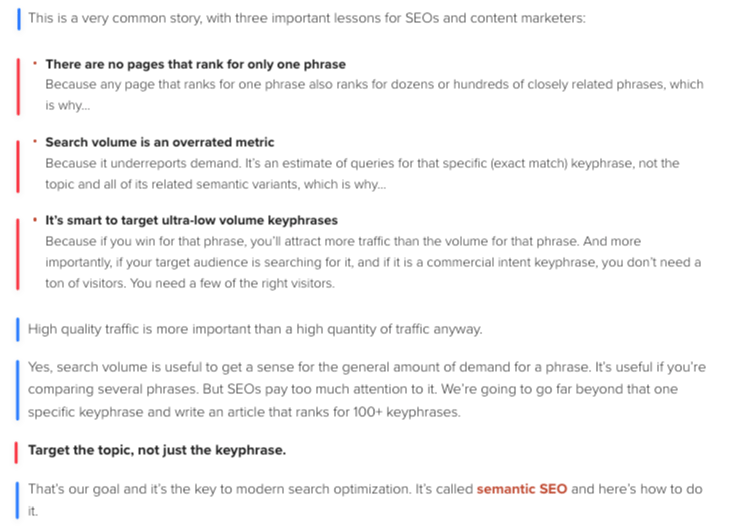
Stories always beat facts (see: politics 💀)
3️⃣ Add examples, supportive research and data
Like your Covid-denying uncle, the Orbit folks do their own research.
Unlike your Covid-denying uncle, they don’t just type “plz confirm my biases thnx xoxo” into Google.
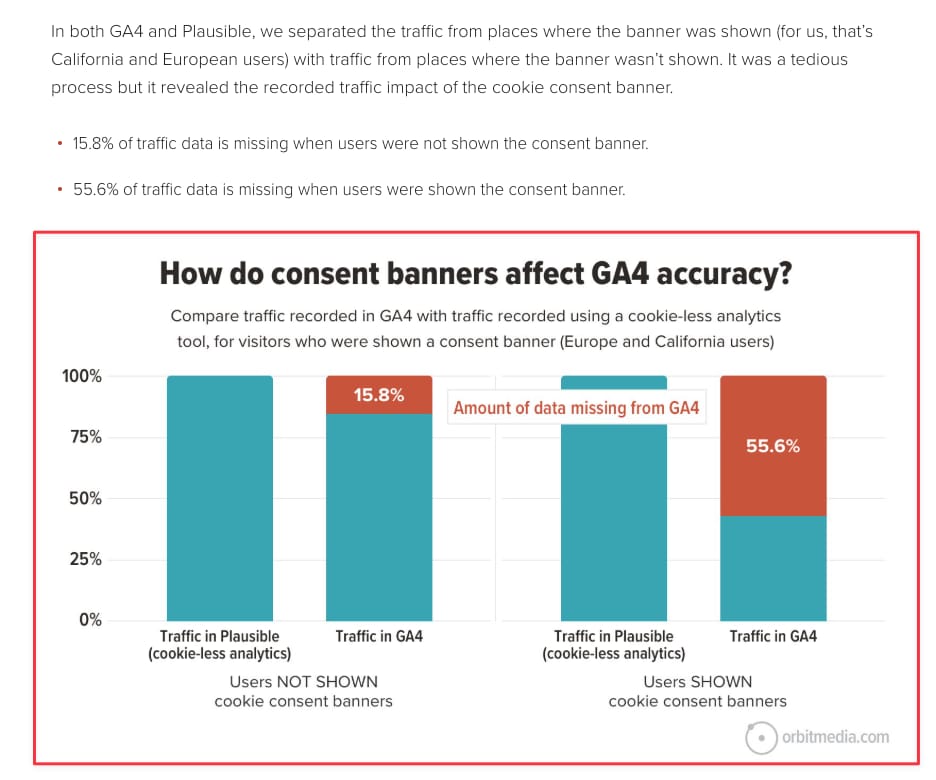
They run tests, analyse the data, and turn it all into cheeky charts and gorgeous graphics.
This must take them hours.
But it’s what separates commodity content into that most coveted of things: ✨ thought leadership ✨
Check out this example from their guide to how inaccurate Google Analytics is to see what I mean👇
4️⃣ Add strong opinions and quotes from subject matter experts
No one does SME quotes as well as the Orbit folks.
They don’t bury those expert insights in the body copy.
They roll out the red carpet for them, giving them their own little section.
This does three things:
Makes the page more scrollable (which makes readers stick around for longer)
Shows anyone scanning the article (i.e. literally everyone who lands on it) that it’s packed with expert insights, so worth their time reading
Really showcases the expert, which helps legitimise the content (“oh shit, a quote from Cyrus? This must be legit”)
Check it out 👇

5️⃣ Structure it carefully with subheads and lists
The long-form content paradox: the more scannable you make an article, the longer people will spend reading it.
And the more subheads and lists you add to your content, the more scannable it will be 👀
If you can hit some secondary keywords in those subheads, too?
Just don’t forget me once you’re top of the SERPs 🙏
Need some inspo?
Check out this absolutely filthy exact-match H2 from the Orbit team 👇

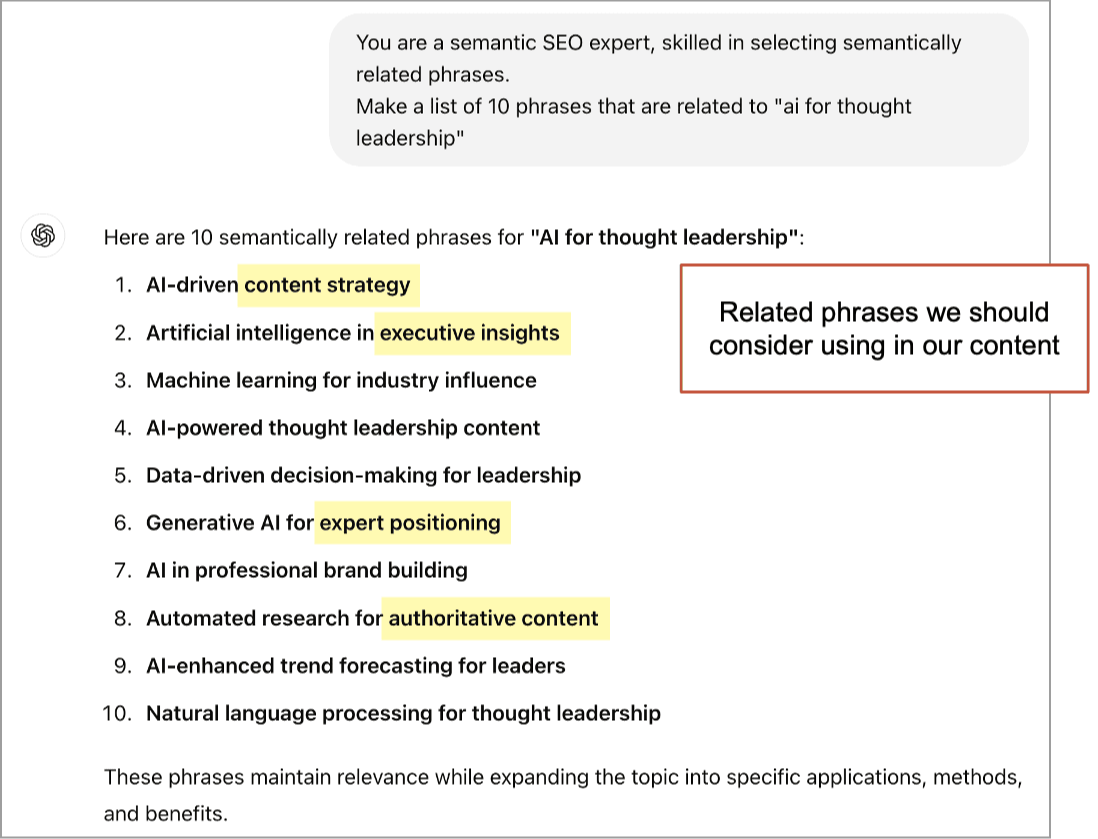
6️⃣ Never miss the chance to add supportive visuals
Walls of text don’t hold readers’ attention.
And as content writers, we’re kinda in the business of holding readers’ attention 👀
So you’re gonna wanna spend a good chunk of time filling each of your articles with:
Screenshots
Infographics
Memes
Gifs
Take things to the next level by taking the time to annotate your screenshots, Orbit style 👇
7️⃣ Make the article long and the paragraphs short
Long articles have a lot of haters these days.
Andy ain’t one of them. Orbit’s articles are all still scraping the sky in 2025.
But the paragraphs are never more than four lines long (a tried-and-tested rule of writing online)
And you’ll never see more than three paragraphs in a row on the Orbit bog. They’re always broken up by subheads, lists, and infographics.
So those 2,000 words never feel like 2,000 words, as Ann Handley would say.
So, there ya have it.
Andy’s seven rules to creating great content:
Make the header and title a bit provocative and include the keyphrase
Hit a key point in the opening with an interesting point of view
Add examples, supportive research and data
Add strong opinions and quotes from subject matter experts
Structure it carefully with subheads and lists
Never misses the chance to add supportive visuals
Make the article long and the paragraphs short
(I grabbed those from this article btw)
Follow those rules to make sure every bit of content your create hits the mark 🎯
 | TOFU Community Manager |